
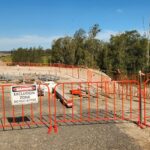

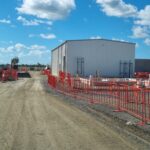
Pedestrian barriers are physical safety barriers used to keep people within designated safe areas or guide movement around hazards, and crowd control barriers are a common type for managing busy public spaces safely. For event managers, construction supervisors, safety teams, and organisations responsible for public access, this range focuses on what matters in practice: barrier types, safety-standard compliance, where to use them, installation considerations, visibility, and how to choose the right setup for pedestrian flow and site control.
The Crowd Control Barrier from SafeSmart Access provides an efficient means for managing public spaces, maintaining safe zones, and streamlining foot traffic, particularly in areas with heavy pedestrian movement or at event sites. With their robust construction and galvanised steel finish, these barriers are built to withstand rigorous use and outdoor elements, helping reduce risk, control access, and protect both pedestrians and workers in high-traffic or hazardous environments.
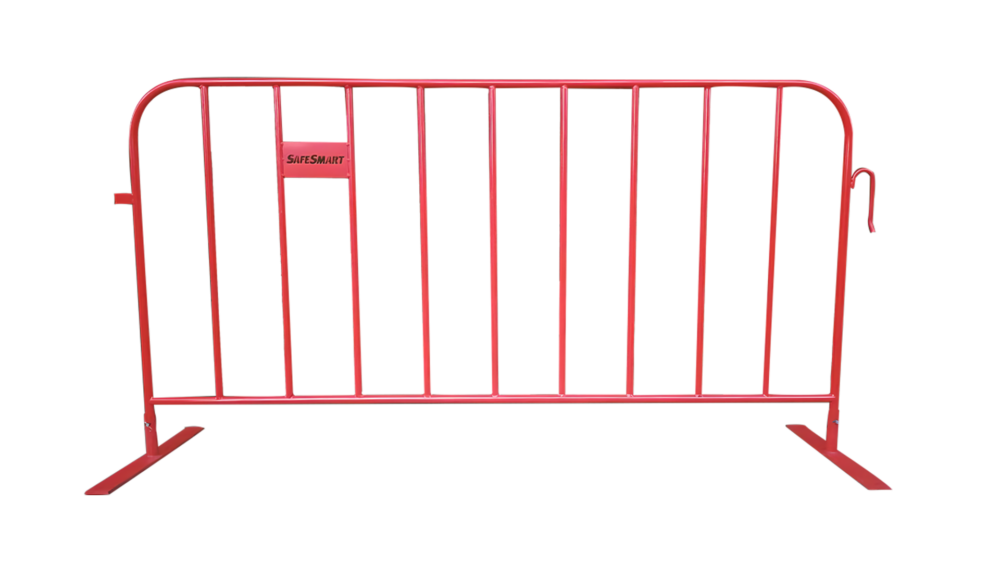
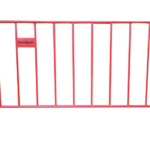
Each barrier measures 1000mm in height and 2293mm in length, designed for significant coverage while remaining manageable for quick setup. The powder-coated red finish enhances visibility, ensuring that delineated areas are respected and easily recognized by the public. Weighing just 18.8 kilograms, the barriers are lightweight enough to be moved by a single person, yet heavy enough to provide a stable partition.
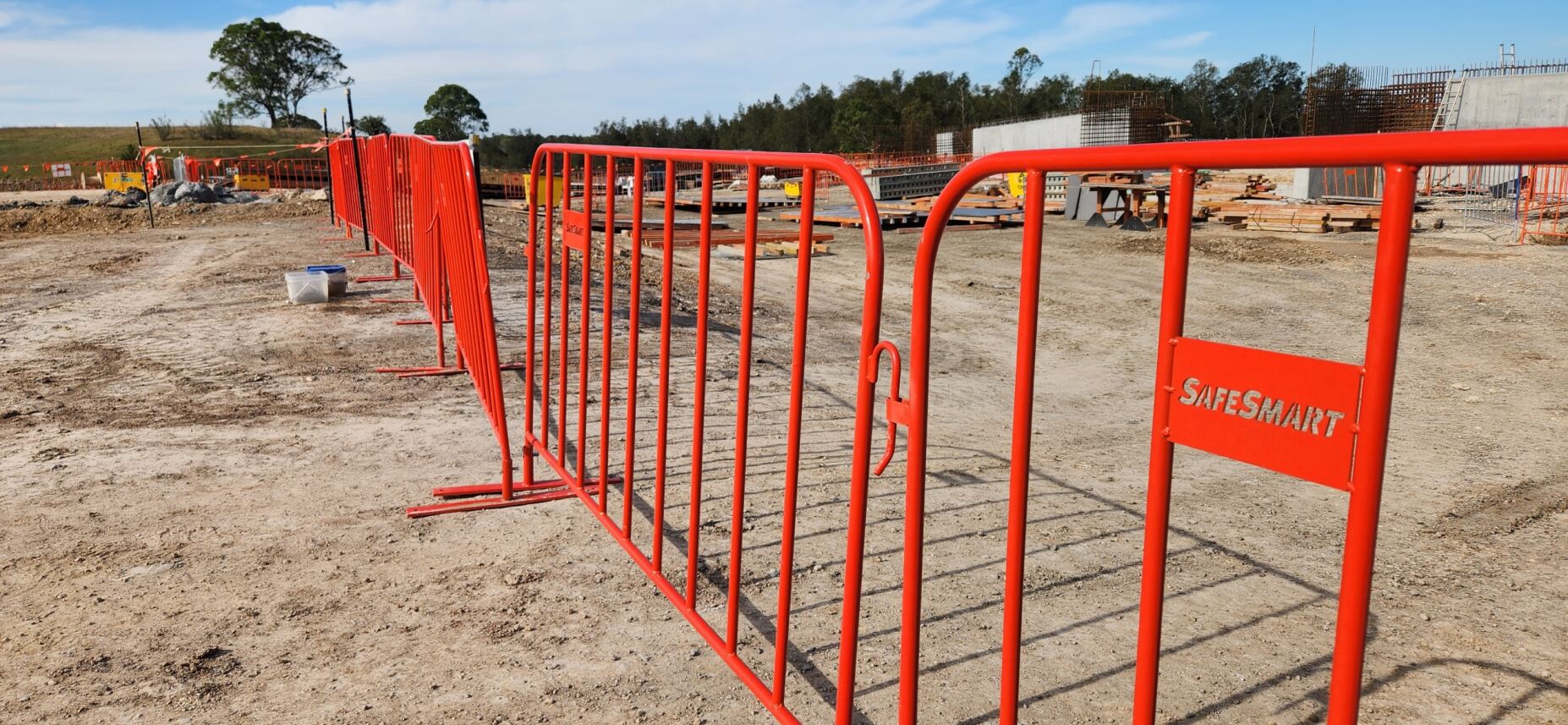
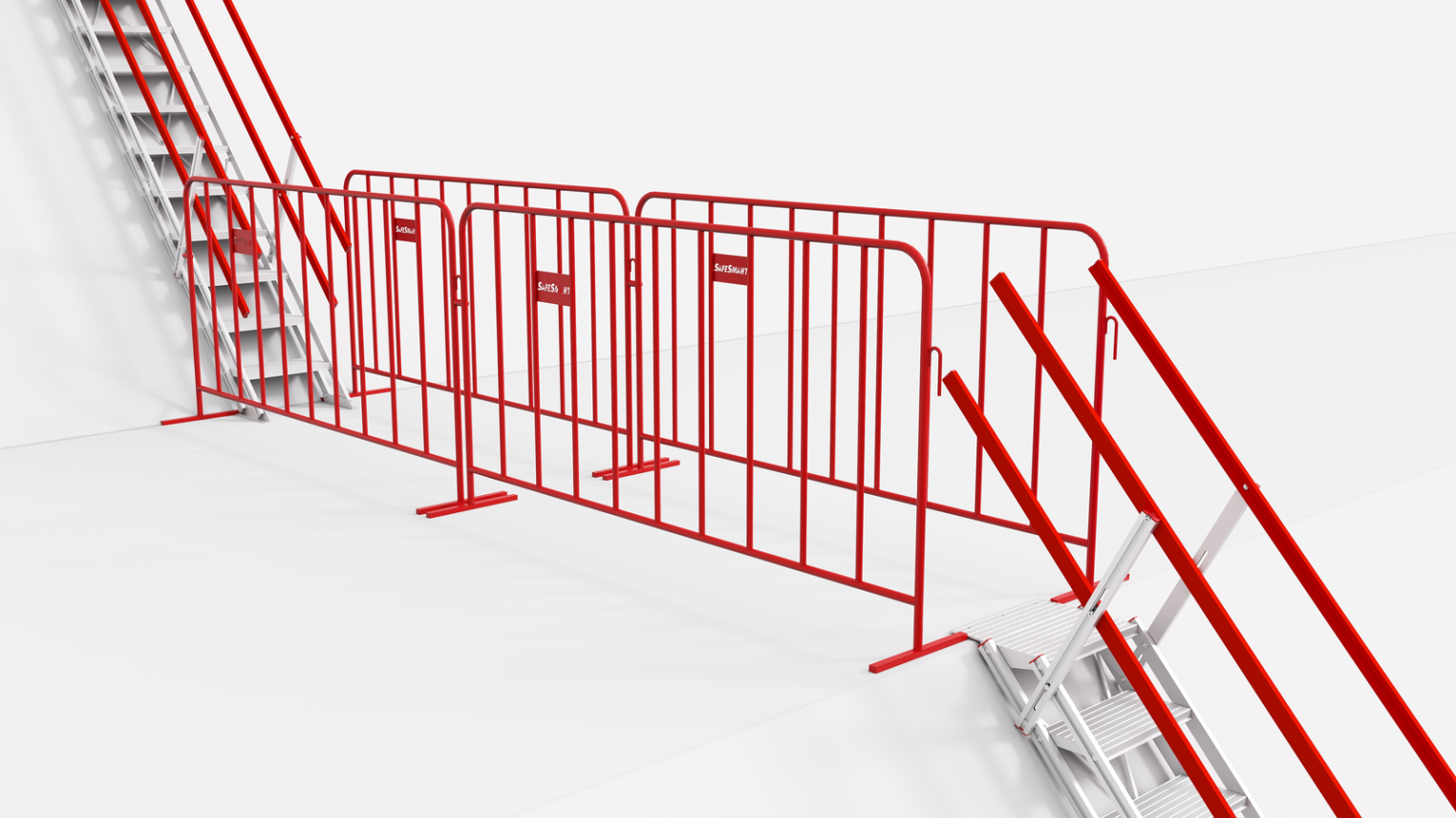
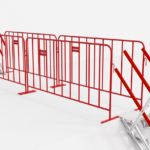
A key feature of the Crowd Control Barrier is its interlocking system, which allows for seamless connection of multiple units, creating long lines or enclosed zones as required. The barriers can be swiftly assembled or disassembled, thanks to their removable feet, which also make flat packing and storage convenient. That quick setup makes them practical for changing layouts, and multiple interlocking units can be arranged to suit specific site layouts and evolving operational needs.
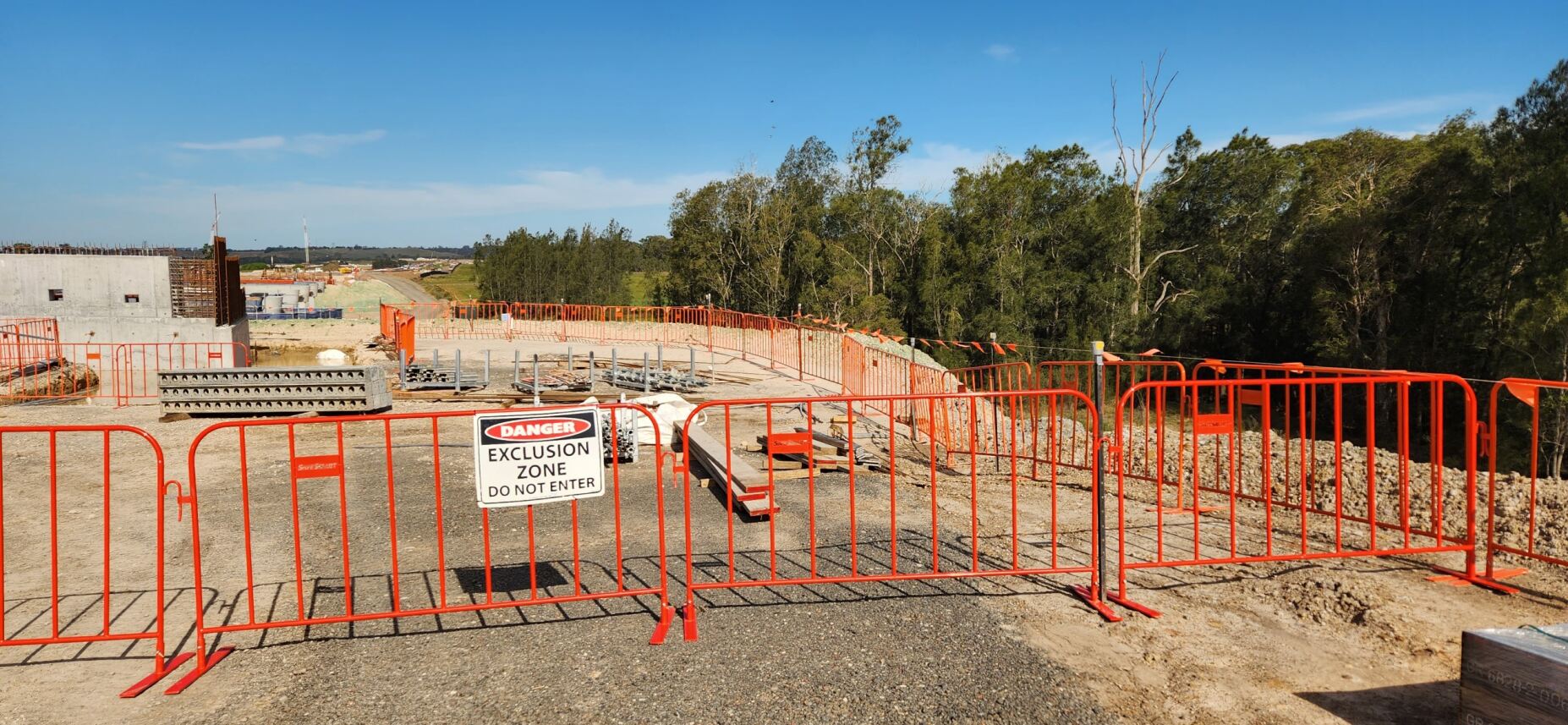
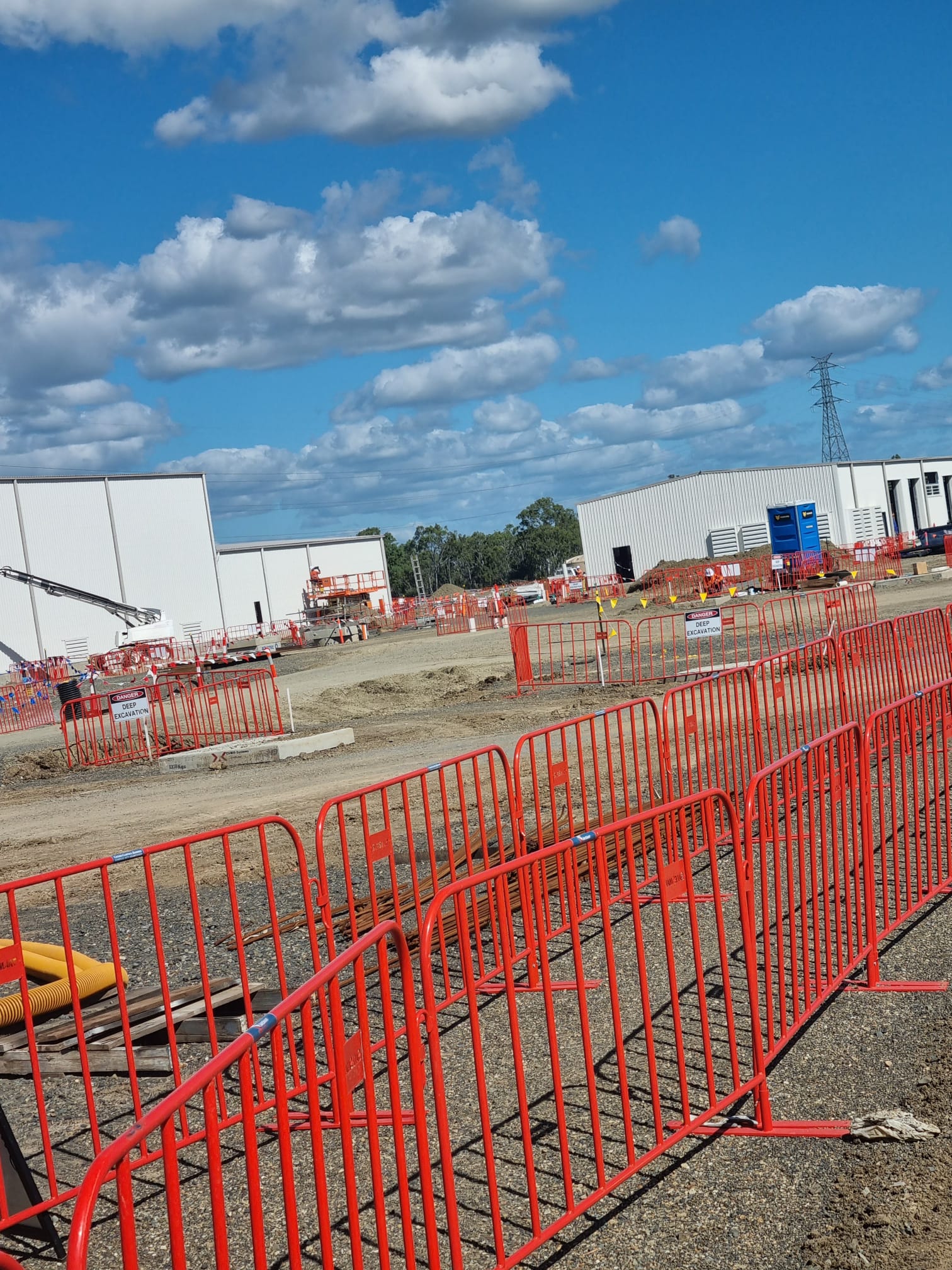
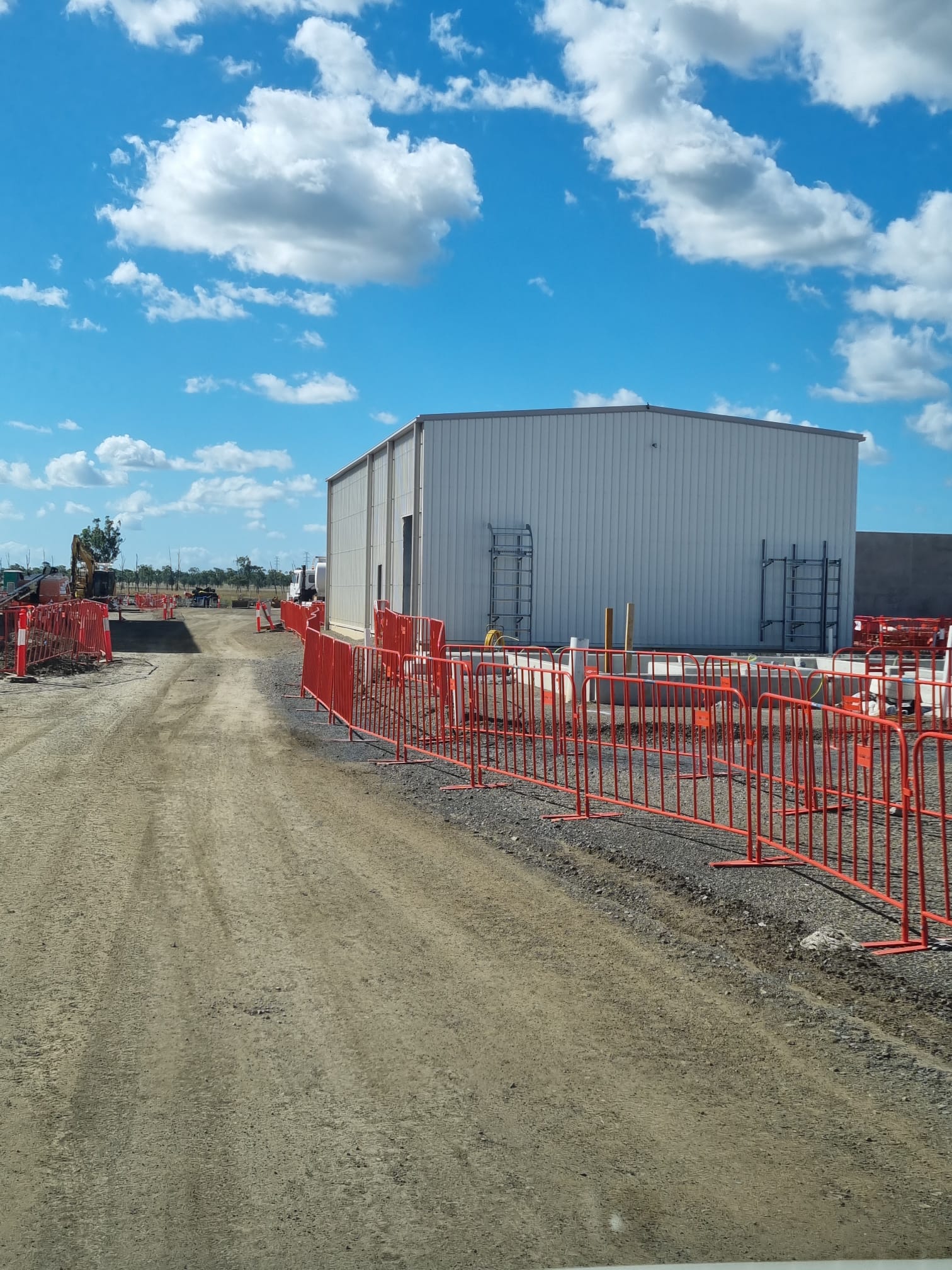
Meeting the AS 4687.2:2022 safety standards, the Crowd Control Barrier prioritizes public safety without sacrificing simplicity and efficiency, providing protection by helping prevent accidents and keeping pedestrians separated from hazards. Its presence on a site can prevent unauthorized access, keeping both the workforce and bystanders safe in a way that is practical for businesses managing temporary worksites or event setups. Events such as concerts, parades, sporting events, and construction areas benefit from these durable barriers, enabling a safe separation between different zones.
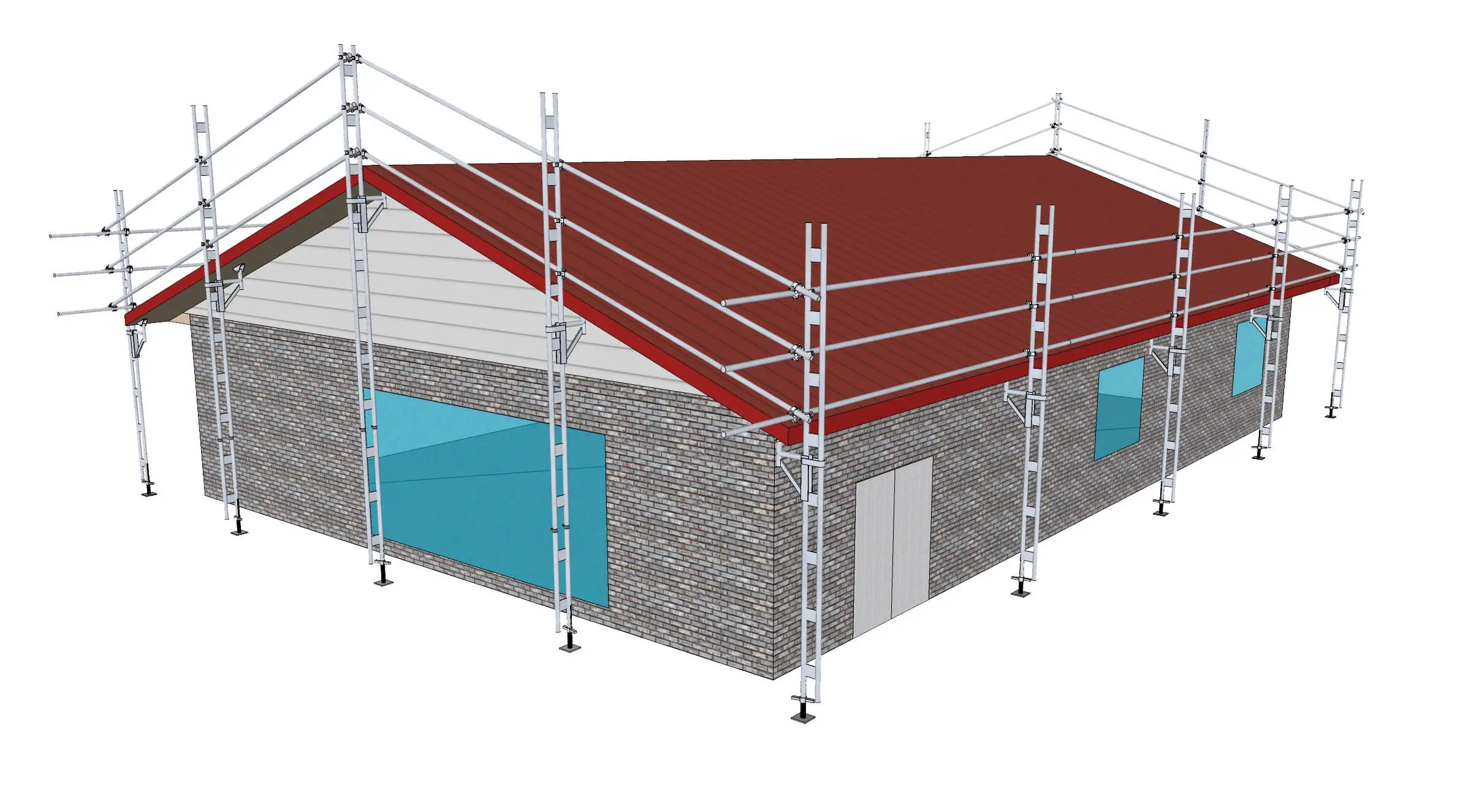
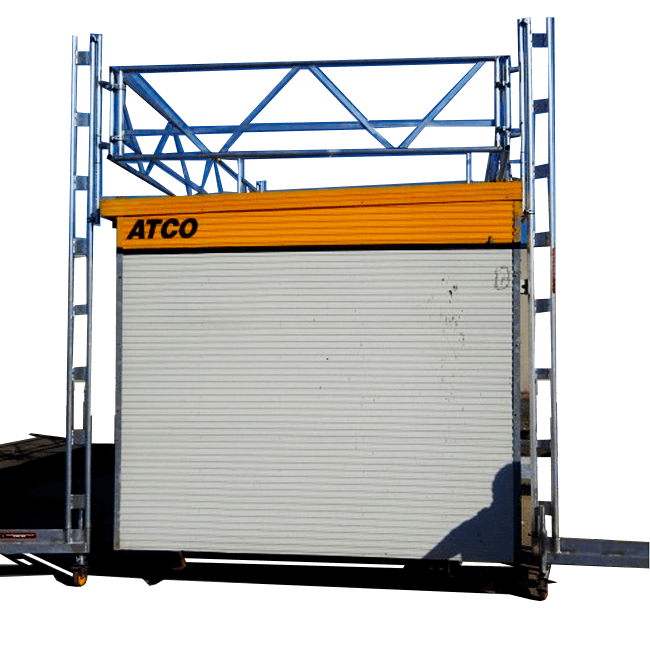
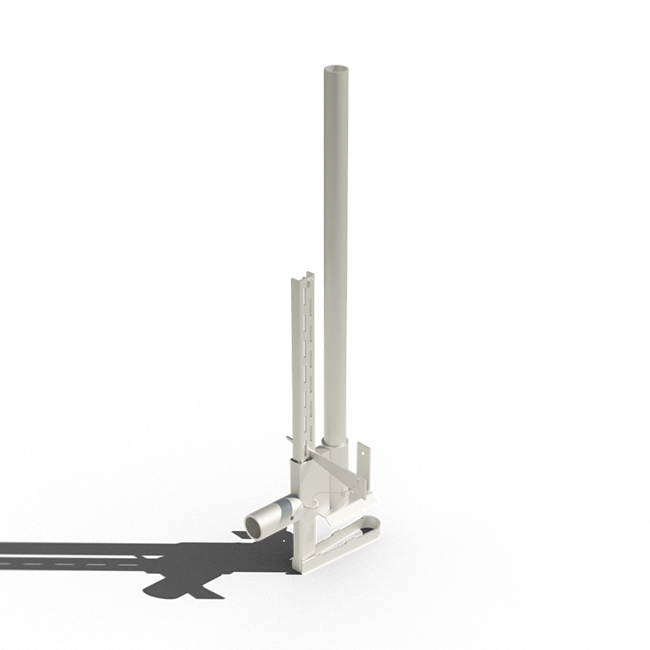
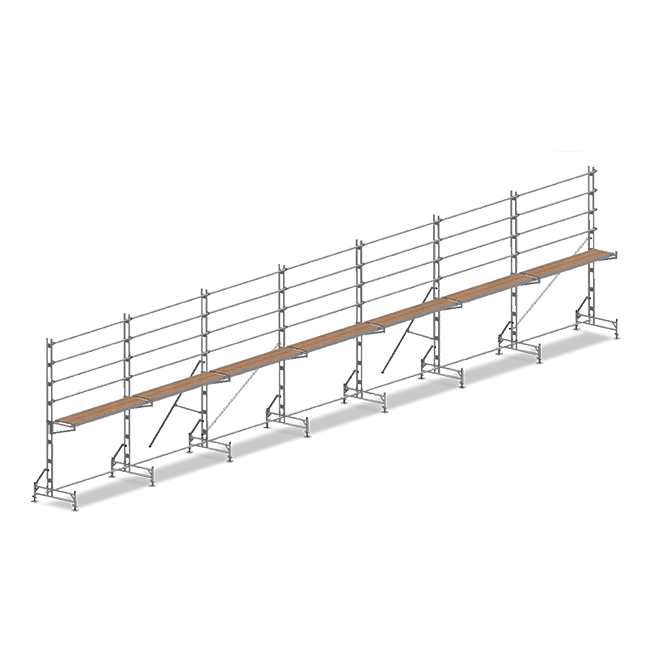
Depending on the environment, these systems can include bollards, pedestrian fencing, railings, and crowd control barriers.
By providing a reliable means to manage large crowds and transform public spaces into controlled environments, SafeSmart’s Crowd Control Barrier is a versatile and essential tool for any organization looking to uphold safety and order.
While the terms pedestrian barriers and crowd control barriers are sometimes used interchangeably, they can have different applications and features.
Pedestrian barriers are designed to keep pedestrians within a safe designated area or to guide their movement around hazardous environments such as within industrial, construction and certain workplace settings. Pedestrian rail systems may use fixed steel or modular systems depending on the application, with rails configured to suit the space and safety requirement. They may also need to comply with AS1657:2018 and AS1428.1 standards, while crowd control barriers are often used for temporary crowd management. They are often designed to comply with the AS 4687.2:2022 safety standards. In contrast, crowd control barriers are used within high-traffic environments where crowd safety and movement require careful attention.
Hence, in short, crowd control barriers are a type of pedestrian barrier. However, they tend to be stronger and are predominantly used within situations where crowd safety and movement require meticulous attention.
When deciding to install crowd control barriers, several factors have to be taken into account. This is to ensure both the safety and the effectiveness of the barrier when in use.
While the assumption is that crowd control barriers predominantly manage vehicle traffic, they offer several other benefits, including:
Where vehicle impact is a serious risk, crash-rated pedestrian barriers are designed to absorb and deflect kinetic energy from vehicles.
Crowd control barriers are available in a variety of colours. Each colour serves a different purpose.
Start by assessing the level of risk within the environment where you need to install the safety barriers. If there is a risk of vehicle or equipment impact, then a pedestrian barrier is more appropriate, with permanent pedestrian barriers or pedestrian rails better suited to higher-risk industrial areas. However, if you need to redirect crowds, then a crowd control barrier is the better option.
Next, consider the duration you need to use the safety barrier for. If it’s for a temporary or short-term event, crowd control barriers are more effective. Alternatively, if it’s for a long-term project, pedestrian safety barriers are better suited, and permanent options are often a secure choice for workplaces with fixed layouts, while temporary crowd control barriers are better for changing access needs.
Moreover, evaluate the possibility of impact resistance. If there’s a possibility of collisions with vehicles or construction equipment, then opt for a pedestrian safety barrier. This is especially relevant in warehouses or similar workplaces where barriers may protect pedestrians from contact with moving equipment. However, if the main priority is controlling pedestrian flow, a crowd control barrier is sufficient.
Additionally, make sure the barriers you choose comply with the safety regulations of your specific locations.
As a leading provider of crowd control barriers in Australia, SafeSmart Access supplies a comprehensive range of pedestrian barriers and crowd control barriers for different environments, with dependable service and fast delivery to support customers across Australia, including but not limited to construction, mining, and aviation.
We prioritise safe working practices and environments, ensuring that our crowd control barriers comply with Australian safety regulations, support site organisation, and can be selected to suit different operational requirements.
Pedestrian barriers are physical safety barriers used to keep people within designated safe areas or guide movement around hazards, and crowd control barriers are a common type for managing busy public spaces safely. For event managers, construction supervisors, safety teams, and organisations responsible for public access, this range focuses on what matters in practice: barrier types, safety-standard compliance, where to use them, installation considerations, visibility, and how to choose the right setup for pedestrian flow and site control.
The Crowd Control Barrier from SafeSmart Access provides an efficient means for managing public spaces, maintaining safe zones, and streamlining foot traffic, particularly in areas with heavy pedestrian movement or at event sites. With their robust construction and galvanised steel finish, these barriers are built to withstand rigorous use and outdoor elements, helping reduce risk, control access, and protect both pedestrians and workers in high-traffic or hazardous environments.
Each barrier measures 1000mm in height and 2293mm in length, designed for significant coverage while remaining manageable for quick setup. The powder-coated red finish enhances visibility, ensuring that delineated areas are respected and easily recognized by the public. Weighing just 18.8 kilograms, the barriers are lightweight enough to be moved by a single person, yet heavy enough to provide a stable partition.
A key feature of the Crowd Control Barrier is its interlocking system, which allows for seamless connection of multiple units, creating long lines or enclosed zones as required. The barriers can be swiftly assembled or disassembled, thanks to their removable feet, which also make flat packing and storage convenient. That quick setup makes them practical for changing layouts, and multiple interlocking units can be arranged to suit specific site layouts and evolving operational needs.
Meeting the AS 4687.2:2022 safety standards, the Crowd Control Barrier prioritizes public safety without sacrificing simplicity and efficiency, providing protection by helping prevent accidents and keeping pedestrians separated from hazards. Its presence on a site can prevent unauthorized access, keeping both the workforce and bystanders safe in a way that is practical for businesses managing temporary worksites or event setups. Events such as concerts, parades, sporting events, and construction areas benefit from these durable barriers, enabling a safe separation between different zones.
Depending on the environment, these systems can include bollards, pedestrian fencing, railings, and crowd control barriers.
By providing a reliable means to manage large crowds and transform public spaces into controlled environments, SafeSmart’s Crowd Control Barrier is a versatile and essential tool for any organization looking to uphold safety and order.
While the terms pedestrian barriers and crowd control barriers are sometimes used interchangeably, they can have different applications and features.
Pedestrian barriers are designed to keep pedestrians within a safe designated area or to guide their movement around hazardous environments such as within industrial, construction and certain workplace settings. Pedestrian rail systems may use fixed steel or modular systems depending on the application, with rails configured to suit the space and safety requirement. They may also need to comply with AS1657:2018 and AS1428.1 standards, while crowd control barriers are often used for temporary crowd management. They are often designed to comply with the AS 4687.2:2022 safety standards. In contrast, crowd control barriers are used within high-traffic environments where crowd safety and movement require careful attention.
Hence, in short, crowd control barriers are a type of pedestrian barrier. However, they tend to be stronger and are predominantly used within situations where crowd safety and movement require meticulous attention.
When deciding to install crowd control barriers, several factors have to be taken into account. This is to ensure both the safety and the effectiveness of the barrier when in use.
While the assumption is that crowd control barriers predominantly manage vehicle traffic, they offer several other benefits, including:
Where vehicle impact is a serious risk, crash-rated pedestrian barriers are designed to absorb and deflect kinetic energy from vehicles.
Crowd control barriers are available in a variety of colours. Each colour serves a different purpose.
Start by assessing the level of risk within the environment where you need to install the safety barriers. If there is a risk of vehicle or equipment impact, then a pedestrian barrier is more appropriate, with permanent pedestrian barriers or pedestrian rails better suited to higher-risk industrial areas. However, if you need to redirect crowds, then a crowd control barrier is the better option.
Next, consider the duration you need to use the safety barrier for. If it’s for a temporary or short-term event, crowd control barriers are more effective. Alternatively, if it’s for a long-term project, pedestrian safety barriers are better suited, and permanent options are often a secure choice for workplaces with fixed layouts, while temporary crowd control barriers are better for changing access needs.
Moreover, evaluate the possibility of impact resistance. If there’s a possibility of collisions with vehicles or construction equipment, then opt for a pedestrian safety barrier. This is especially relevant in warehouses or similar workplaces where barriers may protect pedestrians from contact with moving equipment. However, if the main priority is controlling pedestrian flow, a crowd control barrier is sufficient.
Additionally, make sure the barriers you choose comply with the safety regulations of your specific locations.
As a leading provider of crowd control barriers in Australia, SafeSmart Access supplies a comprehensive range of pedestrian barriers and crowd control barriers for different environments, with dependable service and fast delivery to support customers across Australia, including but not limited to construction, mining, and aviation.
We prioritise safe working practices and environments, ensuring that our crowd control barriers comply with Australian safety regulations, support site organisation, and can be selected to suit different operational requirements.