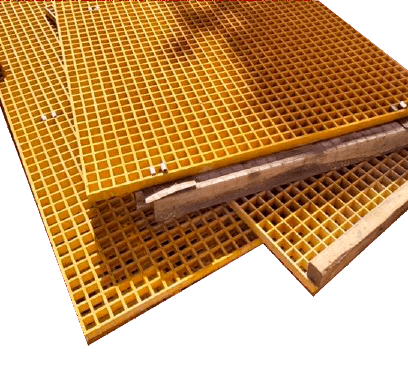
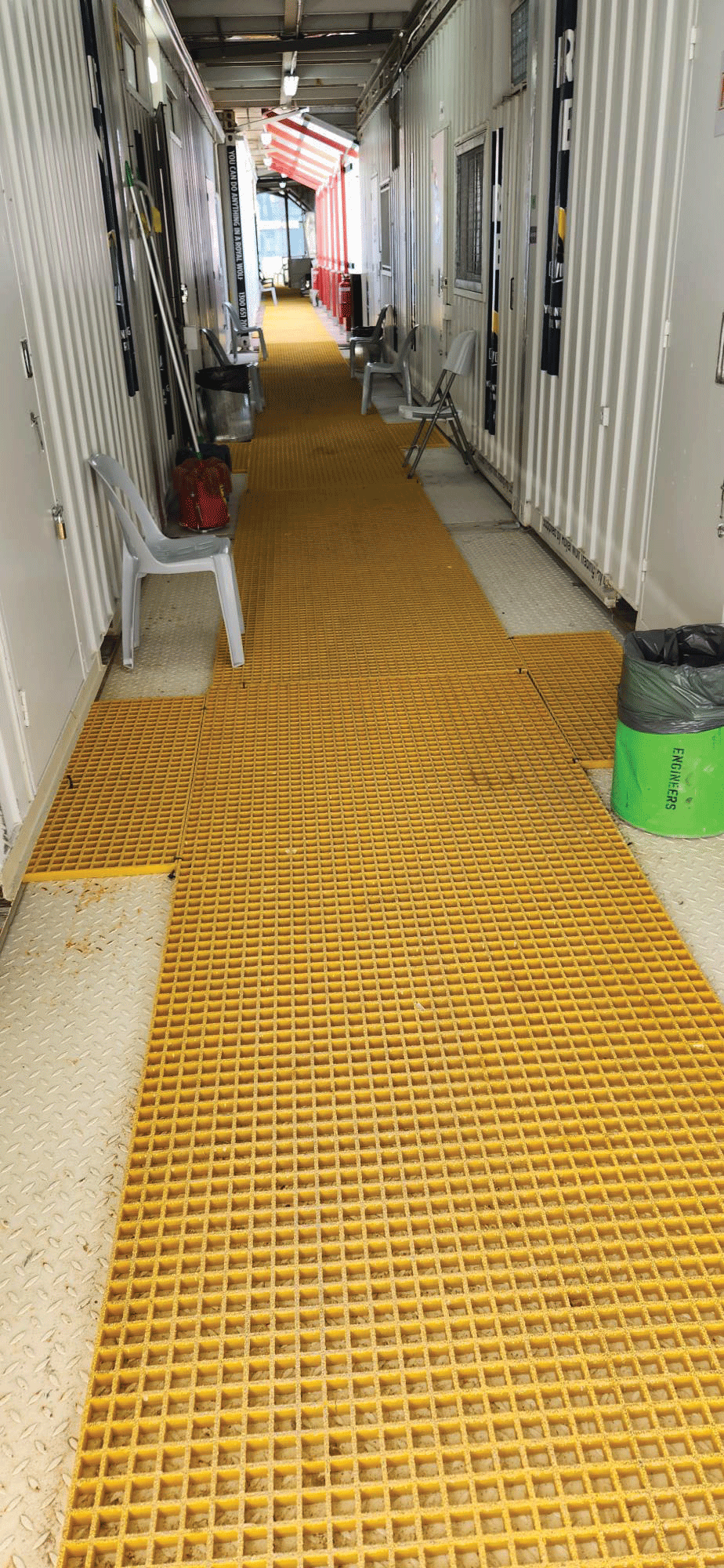
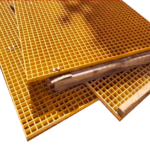
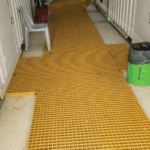
When it comes to providing secure and robust walkways in industrial settings, the Heavy Duty Square Mesh FRP Walkway Panels are unmatched in terms of safety and durability. Constructed from Fibreglass Reinforced Plastic, these walkway mesh panels offer a slip-resistant surface, ensuring workers have a dependable footing in various conditions, including wet or oily environments.
The material selection for this walkway system not only provides superior strength and impact resistance but also contributes to their longevity. Being UV-stabilized, the panels withstand the elements when used outdoors, resisting fading and degradation. Moreover, their high load capacity suits industrial applications perfectly, where heavy equipment and constant foot traffic are common.
The resilience of the Heavy Duty Square Mesh is further emphasised by its non-corrosive nature, making it suitable for chemical plants or coastal areas where saltwater can significantly shorten the lifespan of other materials. Its versatility is also seen in its non-conductive and non-magnetic properties, adding another layer of utility and safety in sensitive working conditions.
These sheets can be used as stair treads nosing, as a custom design to meet your site requirements.
The safety features of the Heavy Duty Square Mesh Walkway Panels are designed to meet the needs of modern industries, with an open structure that helps prevent liquid accumulation and allows airflow. With a primary focus on preventing falls and slips, the surface texture provides excellent grip.
They are also compliant with various safety regulations, ensuring that facilities meet the required safety standard, including AS 1657 in Australia, without considerable alterations or maintenance. The open pattern also supports quick drainage and helps prevent puddling in wet work areas.
These panels are often interchangeable with a wide range of our products if lightweight or insulated materials are required. Typically, our galvanised steel flooring or aluminium perforated flooring can be interchanged, with a design fee.
FRP panels are made by combining fibreglass reinforcement with a resin system, then curing the material into a strong, rigid panel.
The fibreglass provides strength, while the resin binds the fibres together and helps protect the panel from moisture, chemicals and corrosion.
Depending on the application, FRP panels can be manufactured as solid sheets, structural panels or sandwich panels with a lightweight core. Different resin systems and surface finishes can also be used to suit the environment.
For customers, the main benefit is a panel that is lightweight, corrosion resistant, electrically non-conductive and relatively easy to cut and install, making FRP well suited to industrial, infrastructure, mining, utilities and access applications.
When it comes to providing secure and robust walkways in industrial settings, the Heavy Duty Square Mesh FRP Walkway Panels are unmatched in terms of safety and durability. Constructed from Fibreglass Reinforced Plastic, these walkway mesh panels offer a slip-resistant surface, ensuring workers have a dependable footing in various conditions, including wet or oily environments.
The material selection for this walkway system not only provides superior strength and impact resistance but also contributes to their longevity. Being UV-stabilized, the panels withstand the elements when used outdoors, resisting fading and degradation. Moreover, their high load capacity suits industrial applications perfectly, where heavy equipment and constant foot traffic are common.
The resilience of the Heavy Duty Square Mesh is further emphasised by its non-corrosive nature, making it suitable for chemical plants or coastal areas where saltwater can significantly shorten the lifespan of other materials. Its versatility is also seen in its non-conductive and non-magnetic properties, adding another layer of utility and safety in sensitive working conditions.
These sheets can be used as stair treads nosing, as a custom design to meet your site requirements.
The safety features of the Heavy Duty Square Mesh Walkway Panels are designed to meet the needs of modern industries, with an open structure that helps prevent liquid accumulation and allows airflow. With a primary focus on preventing falls and slips, the surface texture provides excellent grip.
They are also compliant with various safety regulations, ensuring that facilities meet the required safety standard, including AS 1657 in Australia, without considerable alterations or maintenance. The open pattern also supports quick drainage and helps prevent puddling in wet work areas.
These panels are often interchangeable with a wide range of our products if lightweight or insulated materials are required. Typically, our galvanised steel flooring or aluminium perforated flooring can be interchanged, with a design fee.
FRP panels are made by combining fibreglass reinforcement with a resin system, then curing the material into a strong, rigid panel.
The fibreglass provides strength, while the resin binds the fibres together and helps protect the panel from moisture, chemicals and corrosion.
Depending on the application, FRP panels can be manufactured as solid sheets, structural panels or sandwich panels with a lightweight core. Different resin systems and surface finishes can also be used to suit the environment.
For customers, the main benefit is a panel that is lightweight, corrosion resistant, electrically non-conductive and relatively easy to cut and install, making FRP well suited to industrial, infrastructure, mining, utilities and access applications.